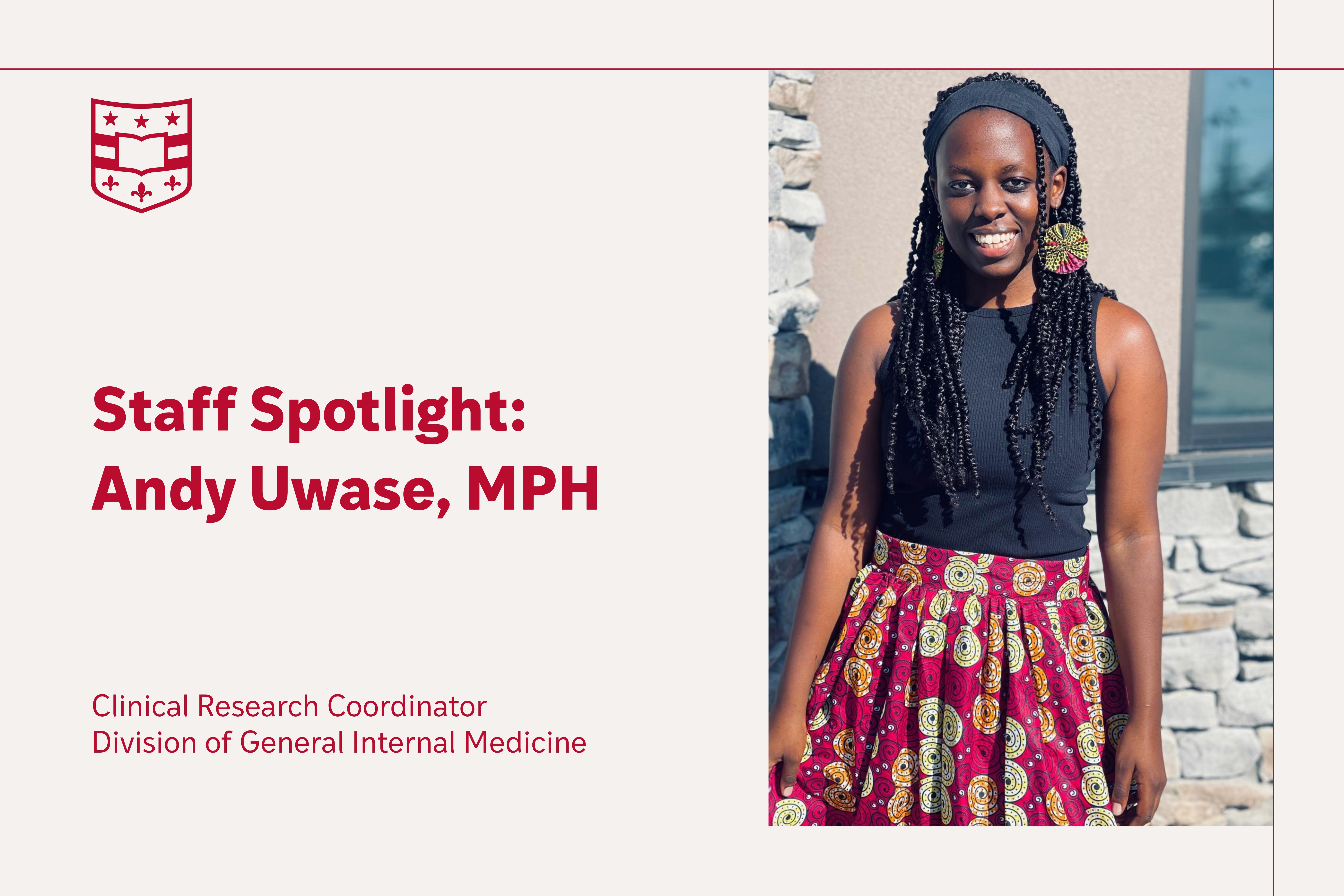
Andromede (Andy) Uwase, MPH, found her passion for research early in her college career. After working on research projects focused on water quality issues, community engagement and environmental health education, and earning a Master of Public Health degree, Andy came to WashU Medicine for an Executive Management Fellowship.
“I consider myself very lucky to have worked with supportive supervisors and mentors,” Andy said.
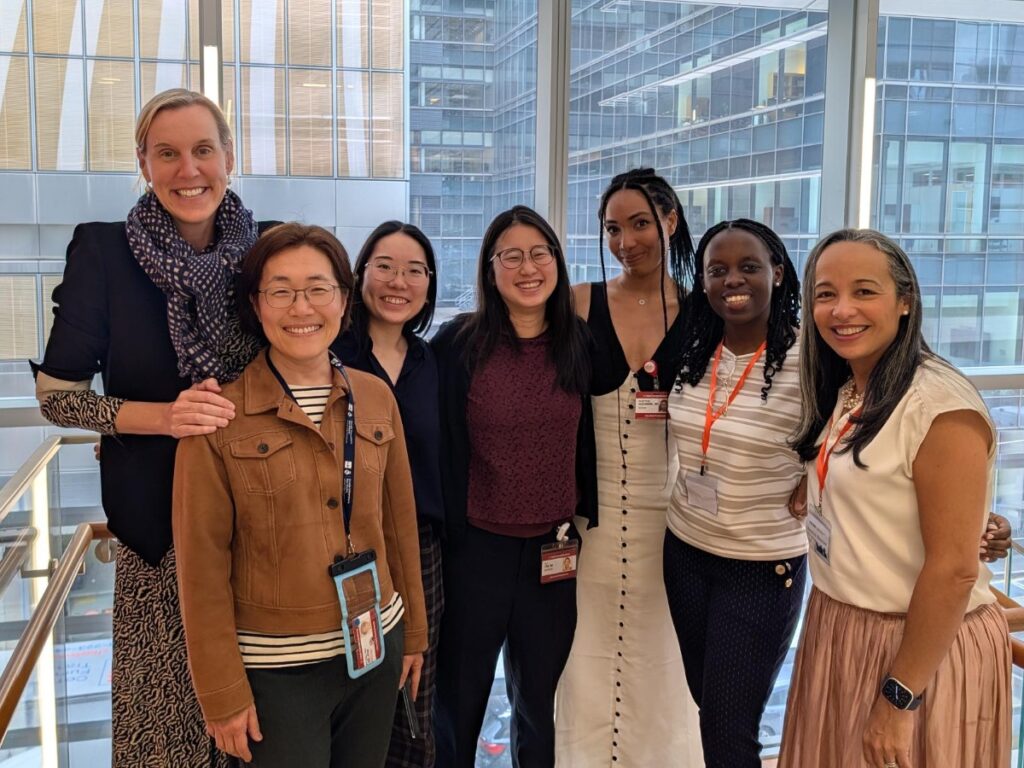
Today, Andy works as a clinical research coordinator for the Haiti CVD Research Collaboratory, led by a team of investigators including Margaret (Molly) McNairy, MD, MSc, who is the David C. and Betty Farrell Professor of Medicine and Chief of the Division of General Internal Medicine at WashU Medicine. The Haiti CVD Research Collaboratory brings together researchers, clinicians, community partners, and public health leaders dedicated to reducing the burden of cardiovascular disease (CVD) in low‑resource settings.
“I see how our physician colleagues in Haiti work tirelessly to serve patients and study participants despite the many challenges facing the country,” Andy said. “I also see how our investigators here work hard to secure resources through grant applications, support capacity building and mentorship, and produce high-quality, evidence-based research. Seeing that commitment from both sides inspires me to love research even more and reminds me why this work matters.”
Q&A with Andy Uwase
Tell me a little about your role in the Division of General Internal Medicine. What does a typical day or week look like for you as a clinical research coordinator?
Here in the Division of General Internal Medicine, I work with an amazing global health research team (Haiti CVD Research Collaboratory) conducting cardiovascular disease clinical studies in low-resource settings. We have teams in Haiti at GHESKIO, at Weill Cornell Medicine in New York, and collaborators from several other institutions.
As a clinical research coordinator, my role is to help move our studies forward from an operational perspective. I assist with developing study operating procedures, study forms, and quality assurance processes. I generate weekly study reports that summarize study activities, including participant follow-up statistics, data collection progress, and data quality metrics. I also help with literature reviews, grant application materials, IRB coordination, and troubleshooting technical issues with our physician at GHESKIO.
My typical day can vary depending on the team’s priorities. For example, if we have a grant submission coming up, I may spend more time helping prepare application materials and supporting that process. However, I also have some regular weekly responsibilities, such as generating study progress reports and monitoring study operations. One of the things I enjoy most about my role is that no two days are exactly the same, and I am constantly learning something new.
What drew you to research, and what brought you to WashU Medicine and General Internal Medicine?
My journey has been amazing so far, full of incredible mentors who have helped and inspired me to love research more every day.
My first exposure to research was during my undergraduate studies at the University of Nebraska-Lincoln (UNL). I was part of the Honors Program and had the opportunity to attend the annual Nebraska Water Conference, where researchers were presenting their work in environmental health and water quality. I was fascinated by the research and wanted to learn more.
After the conference, I reached out to one of the presenters, Dr. Daniel Snow, who is also the Director of the Nebraska Water Center. I expressed my interest in learning about the research they were doing, and that conversation led to many opportunities. We worked together to apply for research funding through Undergraduate Creative Activities and Research Experience (UCARE) program, which allowed me to conduct a research review on water quality issues in Rwanda. He also connected me with another team that was conducting a One Health research project in rural Rwanda titled “Variations in Drinking Water Quality from Source to Point-of-Use: Evidence from Surface Waters, Public Taps, and Household Storage in Rural Rwanda.” That project gave me my first experience with field research and sample collection, and it was an amazing introduction to global health. I observed how researchers collaborate, collect data, and interact with different stakeholders, including community health workers, local leaders, residents, and other researchers. Those experiences sparked my passion for research and showed me the impact it can have on communities.
Because of these experiences, I decided to pursue a Master of Public Health degree at UNC Chapel Hill, which has one of the leading public health programs in the country. During my MPH, I was fortunate to work with another amazing mentor, Dr. Amanda Northcross, for two years in her Environment-ECUIPP Lab: Connecting with communities through environmental research for public health. As a graduate assistant, I worked on several projects focused on community citizen science and environmental health education in rural North Carolina. I was also awarded a Community Engagement Fellowship with Carolina Center for Public Heath to work with Dr. Amanda Northcross and Dr. Mike Fisher to create innovative learning modules and activities that introduced youth in Warren County, Noth Carolina to water quality testing and environmental health during a summer camps program.
As part of my MPH experience, I also worked with Texas Children’s Global Health (formerly Baylor International Pediatric AIDS Initiative (BIPAI)) at Baylor College of Medicine. Once again, I had the opportunity to work alongside an amazing global health team involved in clinical care, research, and education. I worked on communities of practice, program evaluation activities, and other initiatives, but most importantly, I observed how academic medicine combines its three core missions: patient care, research, and education which is also where I learned about WashU Medicine Executive Management Fellowship, where fellows gain exposure to these three areas through rotations and projects across different departments while also developing leadership skills. I applied, was accepted, and joined WashU in 2024.
My fellowship experience at WashU Medicine was incredible. Again, I consider myself very lucky to have worked with supportive supervisors and mentors. I explored various areas of WashU Medicine through rotations in Radiological Sciences research divisions, the Department of Pathology’s clinical and education offices, Sponsored Projects Accounting, and several other departments. My fellowship preceptor, Rick Stanton, connected me with numerous resources and people who ultimately helped me think about my next career step and where I wanted to focus my future work.
That is when I learned about Dr. McNairy’s team. I read about their research and was inspired by the work they were doing in global cardiovascular disease research. I applied to join the team, and I am grateful to be here today. Every day I learn something new, whether it is federal regulations and compliance, NIH and internal grant applications, study monitoring, or research operations. Looking back, I am thankful for all the mentors and opportunities that brought me here, and they continue to inspire my passion for research and global health.
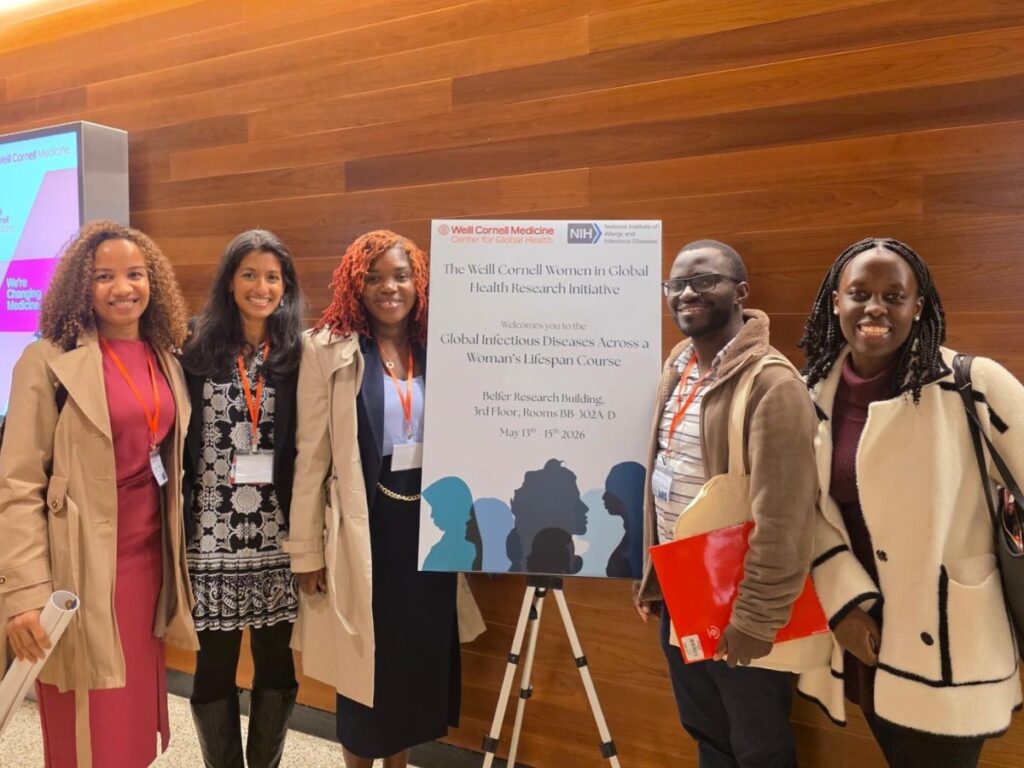
What’s a project or aspect of your work that you’ve found particularly meaningful or exciting, and why?
The aspect of my work that I find most meaningful and inspiring is the people I work with and our research studies in Haiti.
On a weekly basis, I see how our physician colleagues in Haiti work tirelessly to serve patients and study participants despite the many challenges facing the country. I also see how our investigators here work hard to secure resources through grant applications, support capacity building and mentorship, and produce high-quality, evidence-based research. Seeing that commitment from both sides inspires me to love research even more and reminds me why this work matters. One of my favorite parts of the week is our Thursday team meeting. I always look forward to hearing about the progress being made and the impact our work is having on the communities we serve.
What have you enjoyed most about working with Dr. McNairy?
Where should I start?
I would probably begin by emphasizing again that I have been very fortunate throughout my career to work with amazing supervisors and mentors. Although I have been with the team for less than a year, I aspire to become the kind of leader and researcher that Dr. McNairy is over the next ten years of my career.
She is the Division Chief and Principal Investigator of multiple NIH-funded studies and has a very demanding schedule. Despite that, she takes the time to guide me on a regular basis and genuinely cares about my professional development and long-term career goals. She has connected me with valuable resources, sponsored me to attend conferences where I could meet and learn from other early-career researchers, and given me opportunities that challenge me to become a more independent thinker and researcher.
One piece of advice she often shares is to always ask “why” to be able ro undestand and solve the problem. This is valuable because our work often requires troubleshooting problems, understanding complex situations, and finding solutions. She has trusted me to lead projects while providing consistent mentorship and support. Even though I am still learning, I am grateful to have a mentor who believes in me and provides the resources and encouragement I need to grow.
I would also like to mention my other mentor and supervisor, Dr. Lily Yan, who is based at Weill Cornell Medicine and serves as the director of our U.S. studies. I work closely with her on a daily and weekly basis, and I have learned a tremendous amount from her. She continually encourages me to improve by involving me in new projects and responsibilities, and she is often my go-to person for day-to-day research questions and guidance.
In short, I am incredibly grateful to work with such inspiring, supportive, and dedicated people.
When you’re not at work, what are some things you do?
Hmm… I am definitely an introvert by nature, so when I am not at work, I spend a lot of my time on solo adventures.
Over the past two years, I have gotten into kickboxing fitness classes, and I really enjoy them. I also love biking through Forest Park while listening to music. I am a Christian and actively involved in my church, which gives me an opportunity to connect with others and be part of a community.
I also enjoy traveling and have friends in different states, so whenever I get the chance, I like to visit new places. My favorite destination so far has been the Jersey Shore in New Jersey. There is something peaceful about being near the water, even though I still do not know how to swim yet!
I also have siblings living in Europe and Asia, including Japan, so over the next few years I am looking forward to expanding my adventures and visiting those parts of the world as well.